Walk into any campus placement drive or job fair and you will see the same pattern: hundreds of candidates with similar degrees, similar marks, and almost identical resumes. Yet only a handful walk out with offers that truly excite them. What separates them usually isn’t an extra certificate or a slightly higher percentage. It’s something less visible but far more powerful: soft skills.
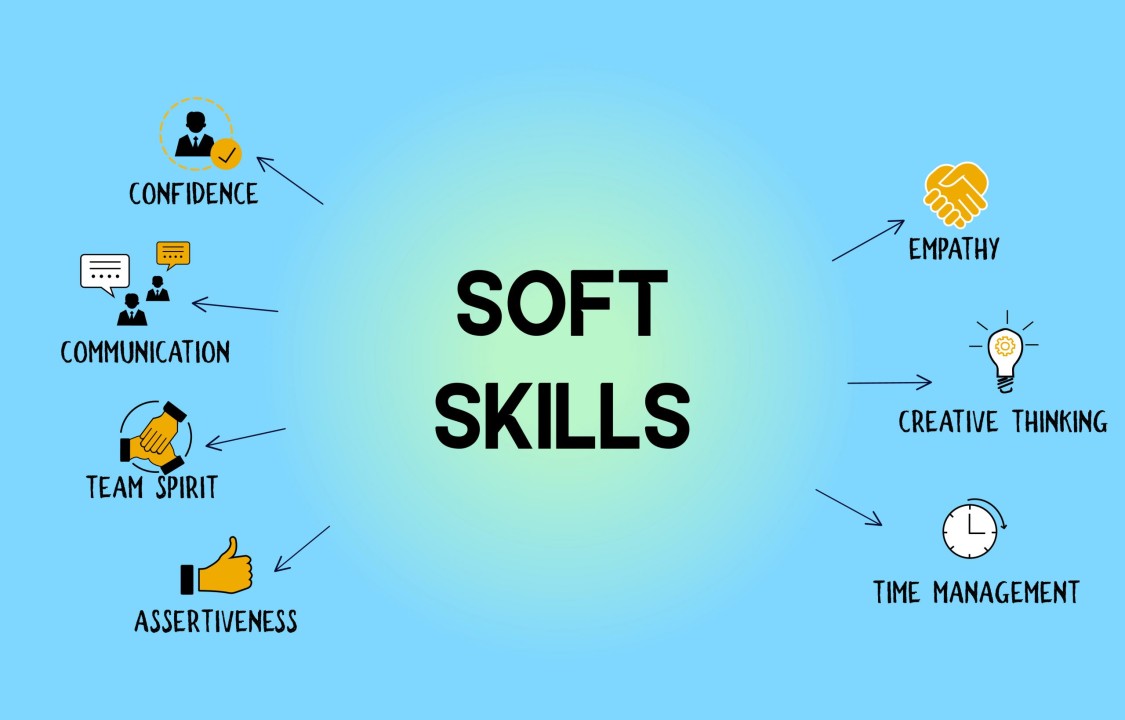
In today’s world of automation, AI, and constant change, employers say technical knowledge gets you shortlisted, but your human abilities decide whether you get hired, promoted, or trusted with real responsibility. Here are seven soft skills that quietly matter more than the name of your college or the title of your degree.
1. Adaptability: Staying Steady When Everything Shifts
Technology, policies, markets, even team structures change faster than ever. An adaptable person doesn’t panic every time there’s a new tool to learn or a sudden shift in project priorities; they adjust, ask the right questions, and move forward.
Adaptability shows up when:
- Your role changes and you volunteer to learn instead of complaining.
- A deadline moves up and you reorganize your tasks instead of blaming others.
- You are willing to work with different people, locations, or time zones.
Employers value this because no degree can fully prepare you for the exact realities of a future job, but an adaptable mindset ensures you can keep up, reskill, and stay relevant.
2. Communication: Turning Ideas into Impact
You might be brilliant, but if you can’t explain your ideas clearly, very few people will notice. Communication isn’t just speaking good English or writing long emails; it is about being understood and helping others feel heard.
Strong communicators:
- Listen actively instead of waiting for their own turn to talk.
- Explain complex concepts in simple, practical language.
- Tailor their message differently for a boss, a client, or a teammate.
In workplaces where coordination happens across departments, cities, and cultures, clear communication reduces confusion, builds trust, and speeds up decision-making. That impact often matters more than another technical certificate.
3. Emotional Intelligence: The Human Operating System
Workplaces are not machines, they are ecosystems of emotions, egos, stress, and ambitions. Emotional intelligence (EQ) is your ability to understand your own emotions, recognize what others might be feeling, and respond in a balanced way.
High EQ typically includes:
- Self‑awareness: noticing when you are stressed, defensive, or distracted.
- Self‑regulation: choosing not to snap back in anger or shut down in meetings.
- Empathy: picking up when a colleague is overwhelmed and offering support.
- Social skills: collaborating without making everything about your own success.
Surveys show that employers increasingly look for EQ because it prevents conflicts, improves teamwork, and creates better client relationships—outcomes no degree can guarantee on its own.
4. Problem‑Solving: Moving from Complaints to Solutions
Every job is, at its core, a series of problems waiting to be solved: a process that is slow, a customer who is upset, a deadline that seems impossible. Problem‑solving means you can analyze a situation, break it down, and move things toward a workable solution instead of getting stuck in blame.
Strong problem‑solvers often:
- Ask “why is this happening?” before “who is at fault?”
- Use data, observation, and feedback instead of assumptions.
- Suggest multiple options instead of insisting on a single idea.
In a rapidly changing economy, where new problems appear faster than textbooks can be updated, this ability makes you far more valuable than any static qualification.
5. Teamwork and Collaboration: Winning Together
No matter how talented you are, you rarely work alone. Modern projects bring together people from different functions, cultures, and age groups, often across hybrid or remote setups. Teamwork is the skill of fitting your strengths into a larger group effort without ego or friction.
Effective team players:
- Share information instead of hoarding it to look powerful.
- Respect different viewpoints and give credit generously.
- Take responsibility when things go wrong, not just when they go right.
Employers repeatedly report that they will pick a slightly less technical candidate who collaborates well over a “genius” who creates drama and division.
6. Resilience: Bouncing Back Instead of Burning Out
Missed promotions, rejected proposals, tough feedback, and failed experiments are all part of any meaningful career. Resilience is your capacity to bounce back from setbacks instead of letting them define you or destroy your confidence.
Resilient professionals:
- Treat failures as data, not personal verdicts.
- Seek help, mentorship, or new strategies instead of giving up.
- Maintain perspective, knowing one bad quarter doesn’t end a whole career.
Workplaces increasingly value resilience because industries are volatile and long‑term success depends on staying in the game, learning, and adapting—not on never making mistakes.
7. Creativity: Seeing What Others Don’t
Creativity isn’t limited to artists or designers; it’s a way of thinking that asks, “What if we tried this differently?” when everyone else has accepted the status quo. In fast‑growing markets and startup ecosystems, creativity can be the difference between an average career and a breakthrough one.
Creative professionals often:
- Combine ideas from different fields to find better solutions.
- Question outdated processes instead of blindly following them.
- Make even “boring” products or tasks more engaging and user‑friendly.
As automation takes over repetitive work, the ability to think imaginatively, design new experiences, and solve old problems in new ways becomes a core advantage that no standard syllabus can fully teach.
How to Start Building These Skills
The good news is that soft skills are learnable, no matter your background or current role. You don’t need a new degree; you need daily practice and honest feedback.
Here are simple ways to begin:
- Pick one skill at a time (for example, communication) and set a specific weekly goal like “summarize every meeting in two clear action points.”
- Ask trusted peers or mentors for concrete feedback on how you come across in meetings, emails, or group work.
- Volunteer for roles that stretch you: leading a small project, presenting on behalf of your team, or coordinating with another department.
Over time, these soft skills become your real personal brand. They travel with you from one job, city, or industry to another, long after your degree has faded from memory.